



Shanghui Curtain started in 2010 and is located in the "capital of small commodity city in Yiwu, China". With the business philosophy of "customer first", and leading the trend of curtain fabrics with exquisite craftsmanship and quality, it has become the benchmark of the industry. It has formed a variety of brand styles such as modern luxury light, European style, new Chinese style, American style, and French style, which fully shows the personality and taste of space. Based on a comprehensive product series and driven by the spirit of continuous innovation, Shanghui Curtain focuses on foreign trade wholesale: Roller Curtains, Zebra Curtains, venetian blinds and other household curtains, office building curtains, factory curtains and other curtains for various places.




Brief introduction to Curtain Fabric
Definition of Curtain Fabric
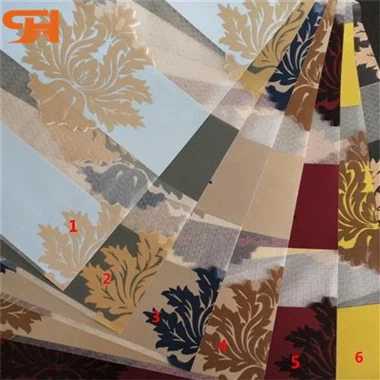
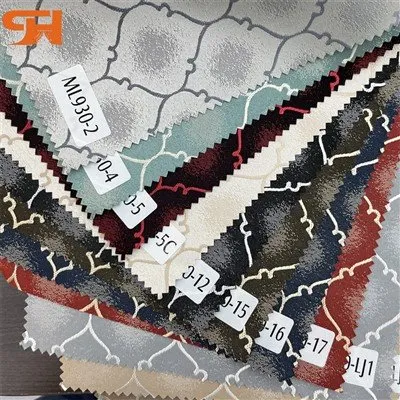
Curtain fabric is the material used to create curtains, which are decorative and functional window treatments. These fabrics, produced by weaving various materials like cotton, nylon, wool, or silk, vary in dependability and features.
The Impact of Curtain Fabric on Interior Design
Curtain fabric significantly impacts interior design, influencing both aesthetics and functionality:
Aesthetic Appeal: The choice of fabric contributes to the overall atmosphere and tone of a space, enhancing texture, color, and style.
Drama and Innovation: Curtain fabric innovations, such as sustainable options, redefine interiors by addressing environmental concerns and reflecting current trends.
Functional Benefits: Curtains are crucial for maintaining privacy, regulating light, and preventing drafts, making them essential for a comfortable living space.
Visual Impact: Properly chosen curtains add visual height to a room, creating an illusion of larger and more spacious interiors.

Types of Curtain Fabrics
Cotton
Cotton is a popular choice for curtains due to its natural feel and breathability. It is easy to maintain and comes in various patterns and colors.
Linen
Linen has a crisp and textured appearance, providing a more relaxed and casual look. It's a good choice for a natural, earthy feel, but it may wrinkle more easily than other fabrics.
Silk
Silk is a luxurious and elegant fabric often chosen for formal spaces. It has a smooth and shiny surface, adding a touch of sophistication to the room. Keep in mind that silk curtains may require more care and are often more expensive.
Polyester
Polyester is a synthetic fabric that is durable, easy to maintain, and resistant to wrinkles. It is a cost-effective option and comes in a variety of colors and patterns.
Velvet
Velvet is a plush and luxurious fabric that adds a sense of opulence to a space. It has a soft and rich texture, making it suitable for formal rooms or adding a touch of drama to any setting.
Sheer Fabrics
Sheer fabrics like voile or chiffon allow light to filter through while still providing a degree of privacy. They are often used in conjunction with heavier fabrics for layered window treatments.
Blackout Fabrics
These fabrics are designed to block out light completely, making them ideal for bedrooms or spaces where light control is essential. They also provide insulation, helping to regulate the room temperature.
Synthetic Blends
Many curtain fabrics are blends of different materials, combining the best features of each. For example, a cotton-polyester blend may offer the natural feel of cotton with the durability of polyester.
How to Choosing the Right Curtain Fabric
Light and Privacy: Consider the amount of natural light you want and the level of privacy needed. Thicker fabrics like boucle upholstery provide more privacy.

Weight
Heavy fabrics provide more privacy as well as insulation. However, these are not the only reasons why you should consider fabric weight. Fabric weight is closely related to fabric drape, in other words, it determines how well the fabric hangs. Lighter weight fabrics have generally more drape, are flowy, and hang straight down while heavyweight fabrics have little drape, are stiffer, and hold pleats much better. Moreover, curtains from heavier fabrics will have to be combined with sturdier curtain rods and accessories so that they do not break down under the weight.
Style and Ambiance: Choose fabric based on personal style and the ambiance you want to create in the space.
Maintenance: Consider the maintenance required. Low-maintenance fabrics, like cotton and linen, suit most rooms.
Fabric Types: Cotton and linen offer a relaxed quality, while heavyweight velvets provide an opulent appearance.


Density and Opacity
The density and opacity of the curtain fabric are directly related to the amount of privacy the curtain will be able to provide. The thicker the curtain fabric, the opaquer it will be blocking more light and increasing privacy. Opaque fabrics are also suitable for rooms with abundant sunlight, as they will tone it down or block out completely depending on the degree of opacity.
Pattern and Color
Curtain fabrics come in different patterns and colors. If you prefer simple elegance and clean lines plain fabrics in solid colors may be a great option. But if you want to create a statement piece that will not go unnoticed go for fabrics with bigger, bolder patterns. Last but not least, do not forget to consider the functionality of the color you choose! For example, dark colors are more prone to fading in sunlight, and light colors show dirt and stains much faster. So you may want to use light colors for sunny rooms and dark colors for high traffic rooms with lots of dust.


Durability
Nobody buys new curtains every year so it is better to choose the fabrics which will have a long life. Some fabrics such as silk and linen are known to be more prone to fading than other fabrics. Will the curtain hang in the direct sunlight? Then consider polyester fabrics that are more durable and won’t fade that easily.
Supplier’s reliability
Why is this important? Imagine you are producing curtains for your customers, they are a major hit and you want to buy the same fabric again. The last thing you want to hear from your supplier is that the fabric is out of stock. The best way to avoid this problem is to work directly with the manufacturer. We at Fioretta Home may even tweak the designs or produce additional colors which is another advantage. You should also read your supplier’s terms, conditions, and policies to have a clear understanding of your future business relationships.


Function
What kind of properties should have your curtains? There are so many options: thermal curtains, black-out curtains, antimicrobial curtains, flame retardant curtains, stain-resistant curtains, or sustainable curtains made with natural and biodegradable materials. Many of these properties can be achieved by special chemical finishing applied to fabrics or yarns used for their production. For black-out curtains consider triple-weave fabrics that can cut out light up to 90%. Finally, fabrics from recycled polyester are one of the options for eco-conscious customers.
Lining choices
Not only do you need to choose a fabric for your curtains, you’ll also need to put some thought into the lining. Lining can have a number of effects, dramatically improving heating or cooling efficiency, blocking out light, helping to reduce noise, or affecting the way the fabric drapes.
Dry Cleaning Only vs Machine Washable Fabrics
Before buying various types of curtain fabric, you must know what kind of wash it requires. It will give you an idea of how much time and money you will need to spend in the long run. There are three ways to wash materials – machine washing, hand washing, and dry cleaning. Machine washing is faster, but it can cause shrinkage and tear seams. Hand washing is the cheapest option, but it requires a lot of energy and time, and the results may need improvement. However, it gives you more control because you can wash with either hot or cold water and mild or harsh detergent Dry cleaning is the safest option for curtains and is ideal for high-quality fabrics.


Subtle vs Striking Fabrics
Whether you are talking about curtains or drapes, it is easy for subtle fabrics to blend with their surroundings as they have a quiet elegance. When choosing fabrics with subtle colours and/or patterns, you must keep the rest of the room’s decor in mind so that the elements don’t clash. Try combining a white cotton fabric with a small cream-coloured motif and a pale coffee and white striped border while selecting curtains for your home, and trust that it will give a beautiful and subtle look. You can also add a dramatic charm to your room by using dazzling and shocking fabrics like magenta velvet curtains in a white room. Such settings allow your dramatic curtains to draw attention. Striking combinations can be achieved with contrasting surfaces, textures, and colours. Using shiny and bright curtain fabrics against matte walls is another brilliant combination.
Customization and Design Trends
A. Personalized Curtain Fabrics
Customization Options: Personalized curtain fabrics offer a range of customization options, allowing you to choose the size, fabric type, and design.
Fabric Choices: Various fabrics are suitable for curtains, including sheer, printed cotton, blackout, and linen blends.
DIY Fabric Selection: Shanghui Curtain allow you to use your own fabric, providing options for custom-made draperies. This adds a personal touch to your window treatments, as you can choose fabrics that complement your decor.
Design Your Own Fabric: Shanghui Curtain offers the unique feature of designing your own curtain fabric online. This allows for a truly personalized touch, with express delivery options.
Impeccably Crafted Custom Drapes: Shanghui Curtain provide impeccably crafted custom drapes and curtains. You can choose from various styles, colors, and patterns to match your personal style and home decor.

B.Contemporary Design Trends
Bold Patterns and Colors
Big & Bold Fabric Selections: Shanghui Curtain offers unique contemporary fabrics with bold patterns, providing the latest designer options.
Heavyweight Curtain Fabrics: Shanghui Curtain recommends fabrics like those with heavyweight and machine-washable design for dreamy drapery.
Elegant Drapery Fabrics: Shanghui Curtain offers a wide range of drapery fabrics in various colors and patterns, allowing you to add life and color to any room.
Diverse Drapery Options: Shanghui Curtain provides a large variety of textures, designs, and colors in woven and print fabric construction for drapery and curtain materials.
Etsy's Bold Patterns and Prints: Explore Shanghui Curtain for unique and custom fabrics with bold patterns and prints.
Small Space Decorating Tips: Consider using bold prints and patterns for accent pieces in small spaces, as suggested by Shanghui Curtain.


Minimalistic Approaches
Light and Airy Tones: Opt for curtains in light and airy tones to complement a minimalist color palette. This enhances the overall simplicity of a minimalist interior.
Sleek and Simple Designs: Choose sleek and simple curtain designs for a minimalist aesthetic. This could include minimalist patterns or solid-colored fabrics for a clean look.
DIY Minimalist Ideas: Explore budget-friendly minimalist curtain ideas through DIY projects. Simple sewing or repurposing existing fabrics can achieve an elegant and minimalistic effect.
Fabric Maintenance: For minimalist interior design, maintain curtains with proper cleaning techniques and protection against sunlight exposure.
Regular Cleaning:
For unlined curtains, use a vacuum cleaner with a soft brush attachment. Lined curtains can be hand-washed in cold water with mild detergent. Professional cleaning is recommended for difficult cases.
Quality Maintenance:
To maintain curtain quality, clean regularly, especially in high-traffic areas. Follow care instructions provided by manufacturers or suppliers to ensure longevity.
Fabric-Specific Tips:
Different fabrics require specific care. Dry-clean curtains if recommended, and follow care instructions for washable fabrics to minimize shrinkage.
Professional Dry Cleaning:
Periodic dry cleaning, every 4-6 months, is advisable for deep cleaning, especially for specific fabric types. Professional services can ensure optimal care based on fabric characteristics.
Preventive Measures:
Avoid excessive washing. Pre-washed linen curtains can minimize shrinkage. Natural fibers may shrink in domestic washing but stretch during use.
General Tips:
Follow additional care tips, such as minimizing exposure to direct sunlight, to preserve the color and integrity of curtain fabrics.

FAQ
Q: What type of fabric is best for curtains?
Q: What are the different types of curtain Fibre?
Q: What material can I use to make curtains?
Q: What curtain material does not wrinkle?
Q: What is the best fabric for curtains and why?
Q: Is upholstery fabric the same as curtain fabric?
Q: What are the 3 desirable properties of curtain fabric?
Q: Can I use upholstery fabric to make curtains?
Q: What fabric to use for living room curtains?
Q: What are the factors to look for when buying fabric?
The Cleanability of the Fabric.
The Potential of the Fabric to Fade...
Q: Can you use quilting fabric for curtains?
Q: Can you use canvas fabric for curtains?
Q: What is the best lightweight fabric for curtains?
Q: How can you tell good quality fabric?
Fiber Weave. High-quality fabrics feature fibers that are closely and tightly woven together.
Color. A good quality fabric should have a dye job to match.
Thread Count.
Finish.
Price.
Finished Product.
Source...
Q: What is the Difference Between Indoor & Outdoor Fabrics
Q: When You Can & Can’t Use Outdoor Fabric Indoors
Q: Can Shanghui fabric be used for curtains?
Q: What is Best Fabrics for Regular Window Treatments?
Q: Which fabrics make beautiful curtains?
We're professional curtain fabric manufacturers and suppliers in China. If you're going to wholesale bulk curtain fabric at competitive price, welcome to get more information from our factory. Also, customized service is available.
Zebra Blinds, Wooden Shutter Blinds for Windows, Single Layer Solid Color Roller Blind